
Offering possibilities

Limbic Brain
In hypnosis we activate the part of the brain in control of our automatic responses (the Limbic brain) — it's intuitive, emotional, visual and instinctual. It speaks in images, symbols and sensation. This part of the brain processes information in a non-linear way — more like everything, everywhere all at once.
This is the brainwave state of alpha/theta.
This is a different processing centre to the neo-cortex — at the front of brain — which governs language, logic, sequence, and analytics. This area of the brain is most active when you're conscious and going about your day, repeating thought and speech patterns, day to day routines, and calculating situations with strategy based on what's been successful/kept you safe in the past. This is the brainwave state of low-mid-high beta.
The operational differences of these processing centres is why it's often difficult to talk your way into feeling better, or why you can understand certain situations logically, but still have strong automatic emotional/physical reactions – they're entirely different processing centres of the brain.
Hypnotherapy works directly with the Limbic brain by creating experiential processes. We practice visualisation, imagination and interoception (sensing what you feel inside) so you can open your perceptions beyond regular thought patterns, illuminating details from within which are most relevant to you
01
Language processes vs. experience processes
A different frame of mind
Neo-cortex
02
Body psychotherapy
The body keeps the score
If you've read the work of Dr Gabor Maté, Dr Bessel Van Der Kolk, and Caroline Myss PhD., you'll come to understand that the body keeps track of every experience you've ever had. This data (the imprint of your experiences) is stored in your subconscious/distributed throughout the body.
Think about the positions we hold —
this translates mentally, physically, emotionally and energetically. In hypnosis we can address all of these aspects in a way that's most comfortable for you.
We follow the messages coming directly from your body, tending to held energy, opening circuits within using breathwork, imagination and suggestion.
.

03
Beyond belief
Mind is the builder — the physical is the result.
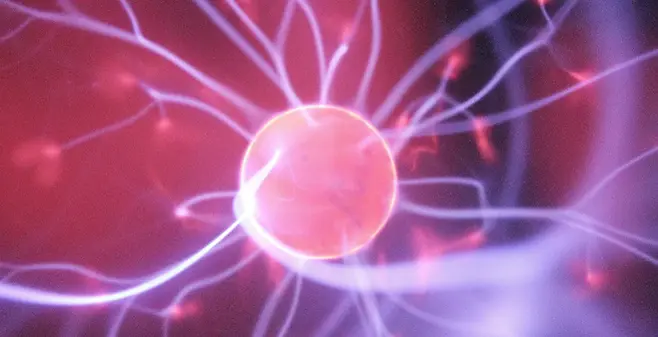
Imagination is a lost art. It comes natural to children because from ages 3-7 they're spending most of their days in the alpha/theta brainwave states. Using the neo-cortex (beta brainwave state) occurs later in childhood.
In hypnosis, we practice this intentionally, creating environments from within, beyond the limitations of physical matter and current conditions. This allows you to see new angles and alternate routes.
Using imagination intentionally allows us to prepare the brain and body to meet conditions in advance, helping to bridge the gap between where/how you are now, and where/how you'd like to exist.
By immersing yourself in these novel experiences, new neural processes can form.
Everything begins as an idea — everything is a concept within the mind before it materialises.
In hypnosis we can explore that concept in multiple dimensions in a safe and encouraging environment.
The cool thing about the imagination is there are so many routes we can go — it's entirely flexible and subjective.
Nicole White
Clinical Hypnotherapist
Diploma of Clinical Hypnotherapy (Trauma-informed).
Certificate in NLP (Neuro Linguistic Programming).

For 10+ years I’ve been studying the realm of consciousness; learning how the brain and body work together, and how the subtle aspects of our experience — such as inner dialogue, gut feelings, somatic sensation, intuition, imagination, dreams, and the field we exist within — all play an integral role in our wellbeing.
In this work, we explore that space at a pace that suits where you are.
The goal is to create an atmosphere which allows you to relax, settle into yourself, acknowledge where you are, and attune to the messages emerging from within, awaiting your attention.
I'm simply there offering encouragement and support and serve as a sounding board and facilitator for you to explore different dimensions of your perceptions.